
Personal Trainer Program L3 LDI
Review the schedule, fees, and training plan before you enroll.
Overview
About this course
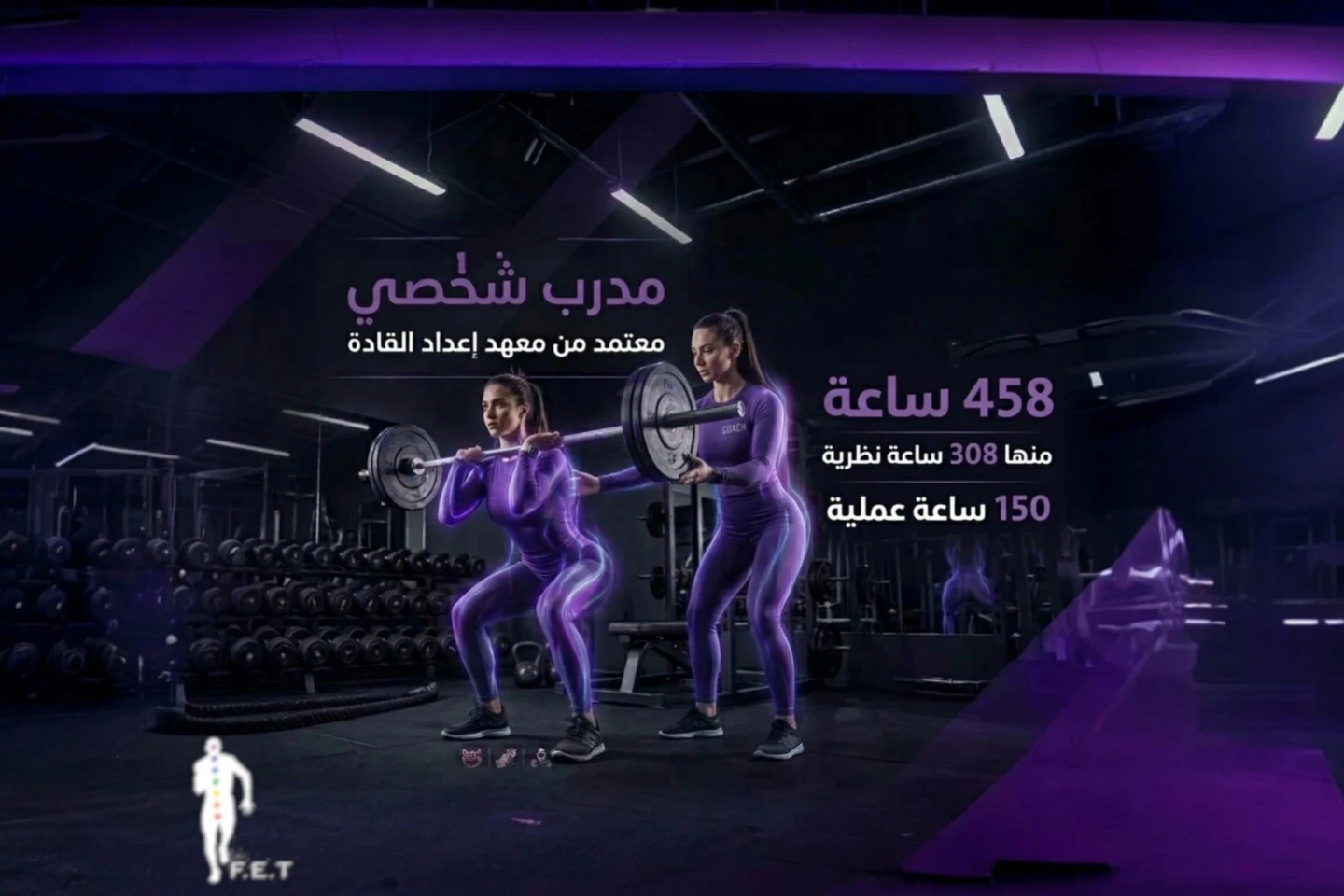
Level 3 Personal Trainer Program Certified by the Institute of Leadership Preparation
The program that takes you to professionalism.
Level 3 Personal Trainer Program Topics
1. Role of the Personal Trainer
2. Communication Skills
3. Functional Anatomy
4. Kinesiology and its Aspects
5. Biomechanics and Movement Analysis
6. Anatomy
7. Index of Basic and Secondary Exercises with Equipment and Free Weights, Targeted Muscles
8. Physiology
9. Energy Systems
10. Metabolism and Calories
11. Application of Training Intensity and Burn Equations
12. Cardiovascular and Respiratory System
13. Nervous System and Endocrine Glands
14. Hormones and Their Individual Roles in Body Processes
15. Balance of Saturated and Unsaturated Fatty Acids
16. Nutritional Supplements and Their Types
17. Methods for Estimating Caloric Needs
18. Healthy Nutrition Patterns
19. Energy Requirements for Fitness Plans
20. Impact of Nutrition on Medical Conditions
21. Organizing Appropriate Nutritional Counseling
22. Psychological and Social Aspects of Health and Fitness
23. Community Service
24. Stress Management
25. Body Types and Their Effects on Exercise and Body Shape Change
26. Hormonal and Anatomical Differences
27. Information Gathering and Analysis (Physical, Medical, Psychological, and Lifestyle)
28. Postural Deficiencies and Deviations
29. Analysis of Static and Dynamic Body Deviations
30. Principles of Program Adaptation and Modification
31. Movement Units and Their Application in Resistance Training
32. Utilizing Heart Rate Training Zones for Aerobic Capacity Development or Weight Loss
33. Principles of Training and Advanced Training Load
34. Use of Short, Medium, and Long-Term Goals
35. Application of ACSM Principles to Develop Fitness Components
36. Exercise Planning
37. Designing Sports Programs Using More than 50 Methods
38. Correct Exercise Techniques and Safety Considerations
39. Calculation of One-Rep Max (1RM) and 10 Rep Max (10RM)
40. Evidence-Based Resistance Training Systems (Study of 22 Systems)
41. Evidence-Based Cardio Training Systems (Study of 10 Systems)
42. Matching Each Exercise to the Client and Analyzing Their Program (Study of 50 Different Cases)
43. Advanced Principles for Progressive Programs
44. Direct Application of Advanced Programs
45. Hypertrophy Programs
46. Cutting Programs
47. Physical Fitness and the Arab Community
48. Establishing Programs for Individuals with Special Needs: Injured, Elderly, Pregnant Women, Beginners
49. Trainer-Specific Training and Organizing It Within Work Pressures
50. Periodic Development of Training and Scientific Levels for Trainers
Certificates:
FET Academy Level 3 Personal Trainer Certificate accredited by the Institute of Leadership Preparation.
Total Hours: 458 hours
Schedule:
Starting from 30september
Theoretical lectures via Zoom + LMS.
Zoom sessions from Sunday to Tuesday from 10 PM to 12 AM.
LMS lectures available at any time.
Theoretical: 308 hours
Study System
1. Theoretical Lectures
• Lecture Type: Live lectures via Zoom with the instructor.
Pov: A number of lectures are scheduled according to the theoretical timetable.
2. LMS System
• Description: An online self-study system.
• How it Works:
- The system is downloaded to your academy account.
- It consists of sequential lessons.
3. Study Steps
1. Accessing the First Lesson:
- Watching an instructional video.
- Reading the theoretical lecture provided below the video.
2. Comprehension Quiz:
- After completing the lesson, there is a five-question quiz to test your understanding of the lecture.
3. Moving to the Next Lesson:
- After completing the quiz, the second lesson will open.
Practical: 150 hours in-person.
Every Friday and Saturday from 9 AM to 10 AM for five weeks
Practical Training: 150 in-person hours
(The practical training schedule will be determined once the required number of 15 trainees is reached in each region.)
Every Friday and Saturday, 9 to 10 hours, for five weeks.
Location: Saudi Arabia Riyadh, Qasim, Khobar, Makkah, Jiddah, Abha, Hail, Najran, Ahsa
Program Price: 5250 + 500 SAR for the practical exam fee.
Installment options available.
For registration and inquiries:
+966592565477
Resources
Attachments
Schedule
Course timetable
People
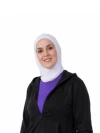
Course Masters




Support
Frequently asked questions
Questions and Answers
Frequently asked questions
It is a comprehensive professional training program designed to qualify individuals as specialized personal trainers. The program covers exercise science, anatomy, sports nutrition, advanced program design, and client assessment, enabling trainers to work safely and effectively with a wide range of clients.
This specialization holds both international and Saudi accreditations:
- International Accreditations: Recognized worldwide, including the Middle East, Europe, East Asia, and the United States.
- Saudi Accreditation: Related to the Saudi professional licensing system, including: Accreditation from the Saudi Institute of Leadership Development under the Ministry of Sport
- Accreditation from EREPS (European Register of Exercise Professionals)
- Accreditation from UAE REPS with 16 CPD Points
First: Assessment and Analysis
• Conduct an initial health assessment using the PAR-Q questionnaire to ensure client safety.
• Collect and analyze client data (age, health history, lifestyle, goals).
• Measure and analyze body composition using modern devices (InBody, Skinfold, Tape).
• Analyze posture and identify postural deviations (such as kyphosis, lordosis, scoliosis).
• Identify potential risks and injuries before starting the training program.
Second: Program Design
• Prepare customized training programs based on goals:
– Fat loss
– Muscle gain
– Body toning and reshaping
– Improving overall fitness
• Design training programs for different categories:
– Beginners
– Professionals
– Seniors
– Special cases (within the foundational level)
• Apply training principles (Progressive overload, Periodization).
• Prepare long-term and short-term training schedules while monitoring progress.
Third: Fitness Testing
• Conduct fitness tests:
– Muscular strength
– Endurance
– Flexibility
– Balance
– Speed
• Analyze test results and relate them to the training program.
• Ability to apply specific fitness tests (such as military or sports tests).
Fourth: Sports Nutrition
• Calculate calories and macros (Protein – Carbs – Fats).
• Prepare initial dietary plans that support training goals.
• Guide clients towards healthy and sustainable eating habits.
• Understand the relationship between nutrition and athletic performance.
Fifth: Exercise Application and Class Leadership
• Execute exercises correctly and safely.
• Correct clients' movement errors.
• Design and lead diverse classes such as:
– HIIT
– Tabata
– Functional Training
• Manage time and energy within training sessions.
Sixth: Client Interaction
• Accurately assess clients and set realistic goals.
• Monitor client progress and adjust the program based on results.
• Motivate clients and maintain their commitment.
• Address individual differences (physical and psychological).
Seventh: Special Cases
• Train special populations such as:
– Seniors
– Beginners
– Individuals with minor injuries (within a safe range)
• Collaborate with specialists (doctor / physiotherapist).
• Understand the limits of personal trainers and not exceed them.
Eighth: Mental Health and Support
• Professionally handle cases of stress and psychological pressure.
• Provide psychological support to clients within the training context.
• Understand the relationship between sports and mental health.
Ninth: Marketing and Professional Identity Building
• Build a personal brand as a trainer.
• Attract clients through digital marketing (social media).
• Innovate marketing ideas with the team.
• Retain clients and increase loyalty.
Tenth: Management and Development
• Ability to:
– Manage a training facility (Gym Management)
– Restructure and develop clubs
– Evaluate trainer performance
– Organize sports events and competitions for the community.
– Contribute to health awareness campaigns.
Eleventh: Personal Skills
• Work within a team and collaborate with diverse nationalities.
• Effective communication skills with clients.
• Leadership and decision-making.
• Commitment to professional ethics.
Advanced Outputs (Strong Value Addition)
• Ability to train specific sports categories (teams/national teams).
• Design fitness programs for military or security entities.
• Use technology in training (Apps – Tracking systems).
• Analyze performance and improve results scientifically.
• Build a professional follow-up system for clients (Check-ins / Reports).
The program duration is 458 training hours, including:
- 380 hours of theoretical study
- 150 hours of in-person practical training
Yes. Upon successful completion, graduates are qualified to work as personal trainers in fitness clubs or independently with private clients.
Didn't find what you're looking for?
Contact us for more information and support. Our team is here to help you succeed.